
Waterproofing: What Homeowners Should Actually Know Before Building or Renovating
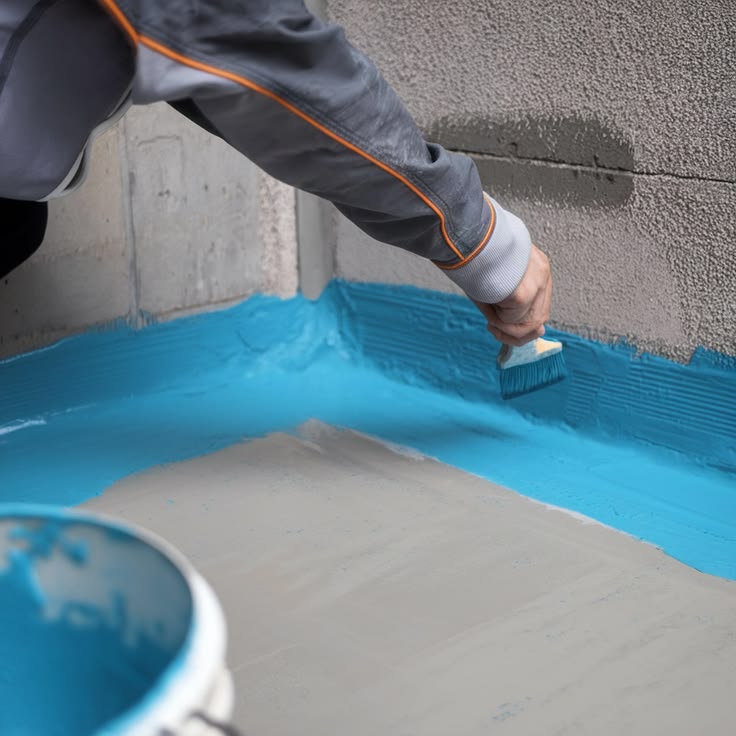
Waterproofing is one of the most important aspects of constructing a home, yet it is often one of the least visible. Unlike flooring, paint or furniture, it does not contribute directly to the appearance of a finished space. However, when waterproofing is overlooked or poorly executed, the consequences can affect everything from wall finishes and flooring to the long-term durability of the building.
At Bryck Red Design Studio, we believe that good design extends beyond what is visible. The construction decisions made behind finished walls, beneath floors and across terraces are just as important as the final appearance of a space.
1. What Is Waterproofing, and Why Does It Matter?
Waterproofing is the process of creating a protective barrier that prevents unwanted water from entering or passing through building elements.
A building is constantly exposed to moisture from different sources, including rainfall, plumbing leaks, groundwater and everyday activities such as bathing and washing. Without appropriate protection, water can penetrate concrete, masonry, joints and other vulnerable areas.
Over time, this moisture can cause several problems:
- Dampness and peeling paint: Moisture trapped within walls can damage plaster, discolour paint and cause surface finishes to deteriorate.
- Mould and mildew: Persistent dampness creates conditions that encourage fungal growth, potentially affecting indoor air quality.
- Damage to concrete and reinforcement: Water entering cracks and porous concrete can contribute to reinforcement corrosion and long-term deterioration, particularly when other damaging conditions are present.
- Damage to interiors: Water seepage can affect wooden furniture, wardrobes, flooring, ceilings and electrical installations.
- Recurring repair costs: Surface repairs may temporarily hide visible symptoms without addressing the original source of moisture.
Waterproofing should therefore be treated as an essential part of the construction process rather than a corrective measure introduced only after a problem appears.
2. Which Areas of a Home Need Waterproofing?
Not every surface requires the same waterproofing treatment. The appropriate system depends on how the area is used, how frequently it is exposed to water and the type of construction involved.
Bathrooms and Toilets
Bathrooms are among the most moisture-intensive spaces in a home. Water regularly comes into contact with floors, shower areas, wall junctions and plumbing fixtures.
Waterproofing is generally required beneath the floor finish and should extend up the walls to an appropriate height based on the design and exposure conditions. Shower enclosures and other frequently wet areas may require additional wall protection.
Particular attention should be given to:
- Floor-to-wall junctions and internal corners.
- Pipe penetrations and plumbing outlets.
- Shower areas and niches.
- Floor slopes leading towards the drain.
- Drain connections and waterproofing around floor traps.
Tiles and grout are not substitutes for a waterproofing system. Even well-installed tiles can allow moisture to pass through grout lines, joints or cracks over time.

Terraces and Roofs
Terraces are exposed to direct rainfall, standing water, sunlight and temperature fluctuations. These conditions can place considerable stress on waterproofing systems.
An effective terrace waterproofing design should account for the membrane, drainage, slope, movement joints, parapet walls and connections around pipes or other penetrations.
The surface must be designed to drain water towards appropriate outlets rather than allow it to collect in low spots. Even a high-quality waterproofing product can fail prematurely if water is allowed to stagnate or if critical junctions are poorly detailed.
The choice of final finish also matters. Whether the terrace uses tiles, pavers or another protective surface, the complete system should be designed to work together.

Balconies and Utility Areas
Balconies and utility areas are frequently exposed to rainwater, washing water and drainage overflow.
Waterproofing should be coordinated with the floor slope, drainage outlet, threshold level and connection to the adjoining internal space. The junction between a balcony and the building façade is particularly important because water can enter through poorly sealed connections.
Where possible, the design should prevent water from flowing towards internal flooring or collecting near door frames.

External Walls
External walls can absorb moisture from wind-driven rain, particularly when they have exposed masonry, cracks, porous finishes or poorly sealed window connections.
Protection may involve suitable exterior coatings, façade treatments, correctly detailed joints, effective roof overhangs and appropriate window installation.
However, not every damp external wall requires the same solution. Water penetration from rain must be distinguished from rising damp, plumbing leaks and condensation before selecting a treatment.
Applying a waterproof coating without identifying the source of moisture may conceal the symptoms without resolving the underlying problem.

Basements and Foundations
Buildings with basements or below-ground spaces face additional challenges because their walls and floors may be exposed to soil moisture and groundwater pressure.
Depending on site conditions, the waterproofing strategy may include external membranes, protective layers, drainage systems and carefully detailed construction joints.
These systems should be planned before construction progresses too far. Retrofitting waterproofing to an inaccessible foundation wall can be significantly more difficult and disruptive than incorporating it during the original build.

3. What Are the Different Types of Waterproofing?
There is no single waterproofing product that is ideal for every application. The right choice depends on the location, substrate, exposure conditions, movement requirements and installation method.
Cementitious Waterproofing
Cementitious waterproofing uses cement-based materials modified with suitable additives or polymers to create a protective coating.
It is commonly used in bathrooms, utility areas and certain concrete or masonry surfaces. It is generally compatible with mineral substrates and can be practical beneath tiled finishes when the selected system is designed for that application.
However, not all cementitious products offer the same flexibility. Areas subject to significant movement or cracking may require a more suitable system.

Liquid-Applied Membranes
Liquid-applied waterproofing products are spread or rolled onto a prepared surface and cure to form a continuous membrane.
Depending on the product, they may be acrylic-, polyurethane- or other polymer-based formulations.
Their main advantage is the ability to form a seamless layer around corners, drains and irregular shapes when applied correctly. They are used in applications ranging from bathrooms and balconies to terraces, depending on the product specification.
Correct thickness, curing conditions, surface preparation and compatibility with subsequent finishes are essential to their performance.

Bituminous Waterproofing
Bituminous systems are commonly used for terraces, roofs, foundations and other areas where a suitable bituminous membrane or coating is specified.
They can provide effective protection against water ingress, but the system must be selected according to the substrate, exposure and intended finish. Some products require additional protection against ultraviolet radiation, physical damage or incompatible materials.
Installation details, including overlaps and terminations, are particularly important for sheet membranes.

Sheet Membranes
Sheet membranes are prefabricated waterproofing layers installed across a prepared substrate.
They can offer consistent material thickness and are used in applications such as roofs, terraces, basements and other specified areas.
Their performance depends heavily on correct jointing, sealing, detailing around penetrations and protection during subsequent construction activities. Damage to a membrane after installation can compromise the entire system if it is not detected and repaired.

The important distinction: The best waterproofing system is not necessarily the most expensive one. It is the system suited to the location, correctly specified, properly installed and tested before it is concealed.
4. When Should Waterproofing Be Done During Construction?
One of the most common misconceptions is that waterproofing can be addressed at any stage of construction. In reality, it is most effective when planned early and carried out at the appropriate point in the construction sequence.
A typical process involves the following steps:
Step 1: Prepare the surface. The substrate must be sound, clean and suitable for the selected waterproofing system. Loose material, dust, unsuitable coatings and defects should be addressed first.
Step 2: Correct the slope and surface irregularities. In wet areas and terraces, drainage requirements should be established before the waterproofing layer is applied, according to the chosen system.
Step 3: Apply the waterproofing system. The material should be installed in accordance with the manufacturer's instructions, including the required number of coats, thickness, reinforcement and curing time.
Step 4: Treat critical junctions. Corners, floor traps, pipe penetrations, movement joints and wall-to-floor connections need appropriate detailing. These are often the most vulnerable points in the system.
Step 5: Test before covering. Where applicable, carry out a controlled ponding or flood test after the system has cured. This is particularly important in bathrooms, toilets and terraces where the method is suitable. Other systems may require different inspection or testing procedures.
Step 6: Protect the completed membrane. Tiles, screeds and other finishes should be installed without puncturing, cutting or otherwise damaging the waterproofing layer.
The exact sequence varies by location and product. The key principle is that waterproofing must be inspected and tested at the appropriate stage, before it becomes inaccessible.
5. Why Does Waterproofing Fail?
Waterproofing failures are not always caused by poor-quality materials. Frequently, the problem lies in how the system was designed, installed or coordinated with other construction work.
Inadequate Surface Preparation
Dust, loose plaster, cracks and an unsuitable substrate can prevent a waterproofing product from bonding properly. Even a high-quality product may fail when applied over an inadequately prepared surface.
Incorrect Application
Insufficient coating thickness, missed areas, inadequate curing and failure to follow the manufacturer's instructions can weaken the protective layer.
Poor Drainage
If water collects on a terrace or bathroom floor, it can increase exposure at vulnerable joints and create recurring maintenance problems. Proper slopes and functional drainage outlets are essential.
Untreated Junctions and Penetrations
Corners, pipes, drains, door thresholds and construction joints require careful detailing. A membrane that performs well across a flat surface may still fail where these elements meet.
Damage During Subsequent Work
Plumbers, electricians, tilers and other contractors may inadvertently puncture or damage a completed waterproofing layer. This is why coordination between teams and inspection before covering are important.
Treating Symptoms Instead of Causes
Repainting a damp wall or applying a surface sealant may improve its appearance temporarily. However, if the underlying problem is a leaking pipe, failed terrace membrane or rising damp, the moisture source remains.
A lasting repair begins with identifying where the water originates and how it is entering the building.
6. Is Waterproofing Expensive?
The cost of waterproofing varies according to the area, product, site conditions, surface preparation, number of layers, accessibility and labour requirements.
A small bathroom may require a different system and level of detailing from a large exposed terrace or a below-ground basement. Existing buildings may also require additional work to remove damaged finishes and repair the substrate.
When comparing quotations, homeowners should look beyond the rate per square foot. Ask what the quoted price includes:
- Surface preparation and crack treatment.
- Waterproofing materials and the specified application system.
- Treatment of corners, drains, pipes and joints.
- Labour, curing and inspection.
- Testing before the membrane is covered.
- Protective screed or other specified layers, where applicable.
- Warranty terms, exclusions and maintenance requirements.
The lowest quotation may not represent the best value if it excludes essential preparation, testing or detailing.
It is equally important to understand that waterproofing is not a guarantee against every future source of water damage. Plumbing failures, structural movement, physical damage and inadequate maintenance can still cause problems.
7. Waterproofing During Renovation: What Should Homeowners Check?
Renovation projects require particular attention because the condition of existing waterproofing is not always visible.
If a bathroom has persistent dampness, tiles are being replaced or a terrace has developed recurring leaks, simply installing a new finish may not solve the issue.
Before work begins, homeowners should establish whether the problem originates from the waterproofing layer, plumbing, drainage, external walls, construction joints or another source.
A practical renovation approach includes:
- Inspecting visible damp patches, cracks, efflorescence and damaged finishes.
- Checking plumbing lines and drainage connections for leaks.
- Removing existing finishes where necessary to assess the substrate.
- Selecting a suitable waterproofing system for the specific conditions.
- Coordinating waterproofing with plumbing, electrical and tiling work.
- Testing the completed system before installing new finishes, wherever applicable.
In occupied homes, the scope should also account for drying time, curing, temporary water restrictions and protection of adjacent rooms.
The right solution may involve more work at the beginning, but it reduces the risk of repeating the same repair after the renovation is complete.
8. Waterproofing Is a Construction Decision, Not Just a Product Choice
A reliable waterproofing outcome depends on several elements working together: suitable materials, sound construction practices, effective drainage, careful detailing and proper supervision.
The choice of product matters, but so does the way it connects to the rest of the building. A bathroom drain, a terrace parapet, a window junction and a basement wall each present different challenges. Treating them all with the same generic solution can lead to avoidable problems.
For this reason, waterproofing should be considered during the design and planning stages rather than left until the final stages of construction. It should also be coordinated with plumbing, structural requirements, floor levels and finishing materials.
At Bryck Red Design Studio, we believe that a well-designed home is one that performs as thoughtfully as it looks. From the planning of wet areas to the detailing of terraces and external walls, construction decisions should support durability, comfort and ease of maintenance over time.
A beautiful home is not defined by its finishes alone. It is also defined by the care taken in the layers you may never see.
Planning a new home or renovation? Connect with Bryck Red Design Studio to discuss how thoughtful architectural planning and construction detailing can help protect your home for the long term.
Want this applied to your own home?
Explore our architecture and interior design services or see the ideas in practice in our project portfolio.
Start a conversation