
The Difference Between Veneer, Laminate and Acrylic
When choosing finishes for a home, terms like veneer, laminate and acrylic are often used interchangeably.
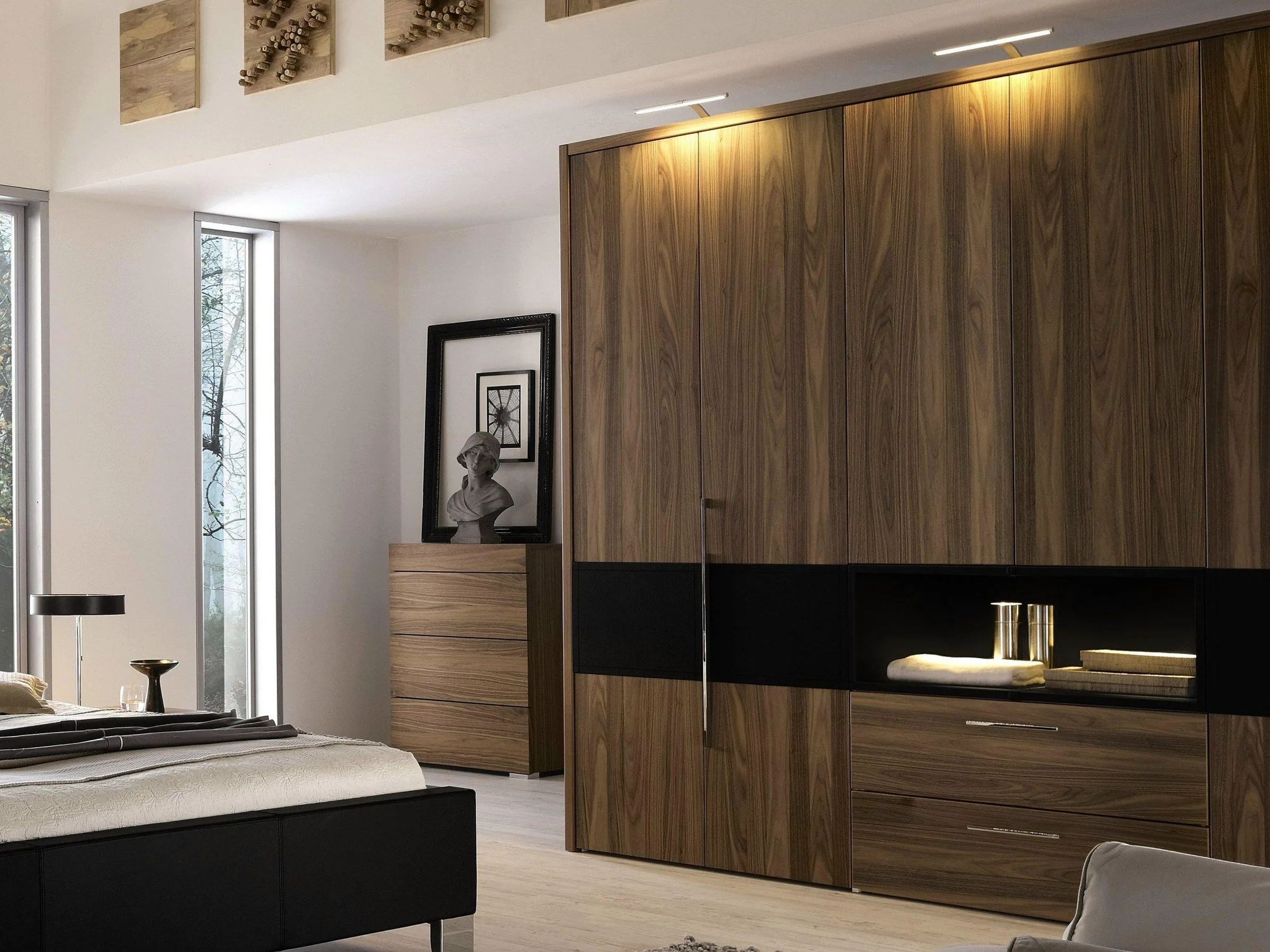
When choosing finishes for a home, terms like veneer, laminate and acrylic are often used interchangeably. But they are very different materials, with different appearances, maintenance requirements, costs and applications.
The choice is not simply about which finish looks better. It is about understanding how the material will be used, how it will age and what kind of character you want the space to have.
Veneer: The Natural Choice
Veneer is a thin layer of natural wood applied over a substrate such as plywood or MDF. Since it is made from real wood, every sheet has its own grain, colour and variation.
This natural variation is what gives veneer its appeal.
Unlike a printed finish, veneer has an organic quality. The grain can be book-matched, aligned or deliberately varied to create a particular visual effect.
Veneer works particularly well when the intention is to bring warmth and depth into a space.
It is commonly used for:
- Wardrobes and cabinetry
- Wall panelling
- Doors
- Furniture
- Feature walls
- Custom joinery
The trade-off is maintenance. Veneer generally requires more care than a highly engineered surface and may need polishing or refinishing depending on the finish and application.

Laminate: Practicality and Variety
Laminate is a manufactured surface made by pressing layers of paper and resin together over a board substrate.
Its biggest advantage is choice.
From wood-like textures and stone patterns to solid colours and tactile finishes, laminates can reproduce a wide range of visual languages while offering a relatively durable and practical surface.
For areas that experience regular use, laminate can be a highly practical choice.
It is commonly used for:
- Kitchen cabinets
- Wardrobes
- Storage units
- Study tables
- Utility areas
- High-use furniture
Laminate is also relatively easy to clean, maintain and also budget friendly, making it a popular choice for everyday interiors.

Acrylic: A Contemporary, High-Gloss Finish
Acrylic finishes are known for their smooth, highly reflective surface and strong colour depth.
They are particularly effective when you want cabinetry to appear sleek, seamless and contemporary.
Acrylic is often used in:
- Modern kitchens
- Wardrobes
- TV units
- Vanity units
- Feature cabinetry
Its glossy, scratchproof surface reflects light, which can make colours appear richer and spaces feel visually brighter.
However, that same reflectivity can also make fingerprints and surface imperfections more noticeable. The quality of the acrylic and the workmanship therefore matter considerably.

So, Which One Should You Choose?
There is no universal winner.
Veneer brings natural variation and warmth.
Laminate brings versatility and practicality.
Acrylic brings a clean, contemporary and reflective quality.
The best interiors often don't use just one.
A warm veneer can be paired with a practical laminate. Acrylic can be restricted to areas where its reflective quality adds value. The decision should be based on function, maintenance, budget and the overall material palette of the home.
Good material selection isn't about choosing the most expensive finish.
It is about choosing the right finish for the right surface.