
How Light Changes the Way Materials Look
We often select materials based on a sample held under the bright, neutral lighting of a showroom.
We often select materials based on a sample held under the bright, neutral lighting of a showroom.
But that isn't how we experience materials in a home.
The material changes throughout the day.
Morning light can reveal its warmth.
Afternoon light can flatten or intensify its colour.
Artificial lighting can completely change its character at night.
The material stays the same. Our perception of it doesn't.
This is why light should be considered alongside material selection—not after it.
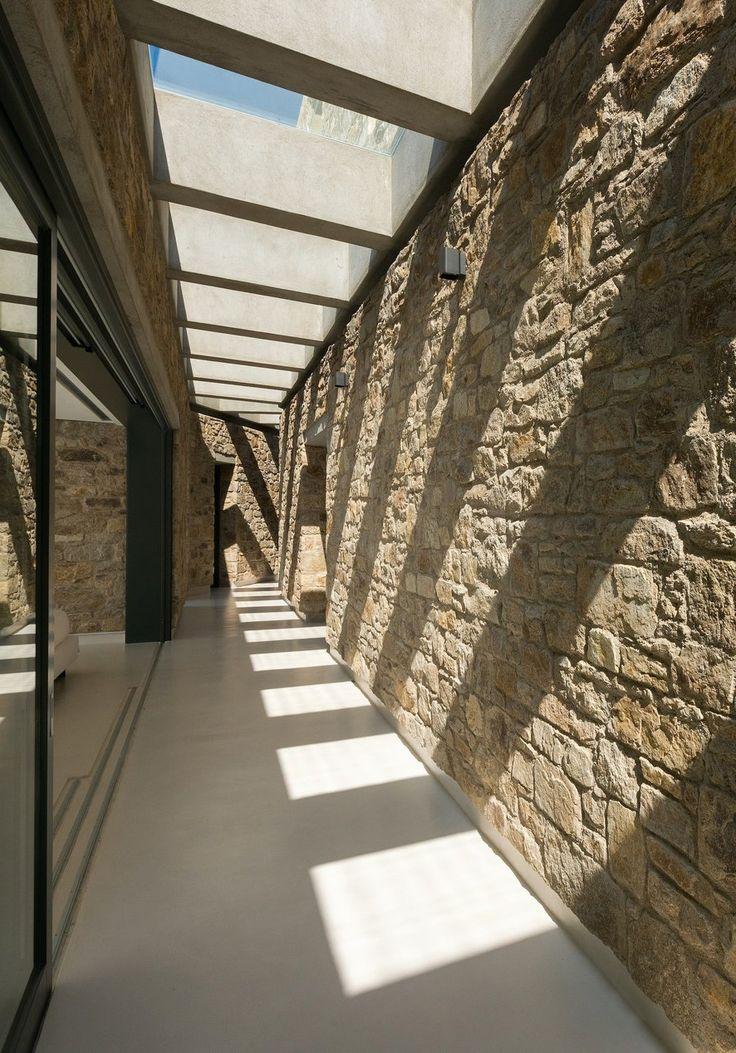
Natural Light Reveals Texture
Materials with texture respond strongly to natural light.
Stone, brick, wood and textured plaster create small variations in shadow across their surfaces. As the sun moves, those shadows change.
A textured wall therefore isn't a static surface.
It becomes something that changes throughout the day.
Glossy Surfaces Reflect Light
Materials such as acrylic, polished stone and glass behave differently.
Instead of absorbing or scattering light, their reflective surfaces bounce it around the room.
This can make a space appear brighter and more expansive.
But reflections can also become distracting if there are too many glossy surfaces or if the lighting isn't carefully controlled.
Matte Finishes Absorb and Soften
Matte materials generally create a quieter visual experience.
They absorb more light rather than producing strong reflections, allowing colour and texture to take centre stage.
This is one reason matte finishes often work well in spaces intended to feel calm, warm and understated.
Colour Is Not Fixed
A beige wall can look warm in one room and grey in another.
A white kitchen can appear crisp during the day and warmer under artificial lighting.
A green fabric can appear deeper in a north-facing room and brighter in direct sunlight.
This is why selecting colours and materials only from small samples can sometimes be misleading.
The surrounding environment matters.
Artificial Light Changes Everything
The colour temperature of artificial lighting can significantly influence the appearance of materials.
Warm lighting can enhance:
- Wood
- Terracotta
- Natural stone
- Warm neutrals
- Earthy colours
Cooler lighting can make whites and greys appear cleaner and sharper.
The same material can therefore create two completely different atmospheres depending on the lighting used around it.
Designing the Material and the Light Together
Good interior design doesn't ask:
“What material should we use here?”
It asks:
“What material, under what light, will create the experience we want?”
A stone selected for its texture may need grazing light to reveal its surface.
A timber wall may benefit from warm, indirect illumination.
A glossy kitchen may require careful placement of lights to control unwanted reflections.
A brick wall might be dramatically transformed simply by allowing sunlight to move across it.
Ultimately, materials don't exist in isolation.
They interact with light, shadow, colour, proportion and space.
That interaction is what gives an interior its atmosphere.
And sometimes, the difference between a material that looks ordinary and one that feels extraordinary isn't the material itself.
It's the light falling on it.